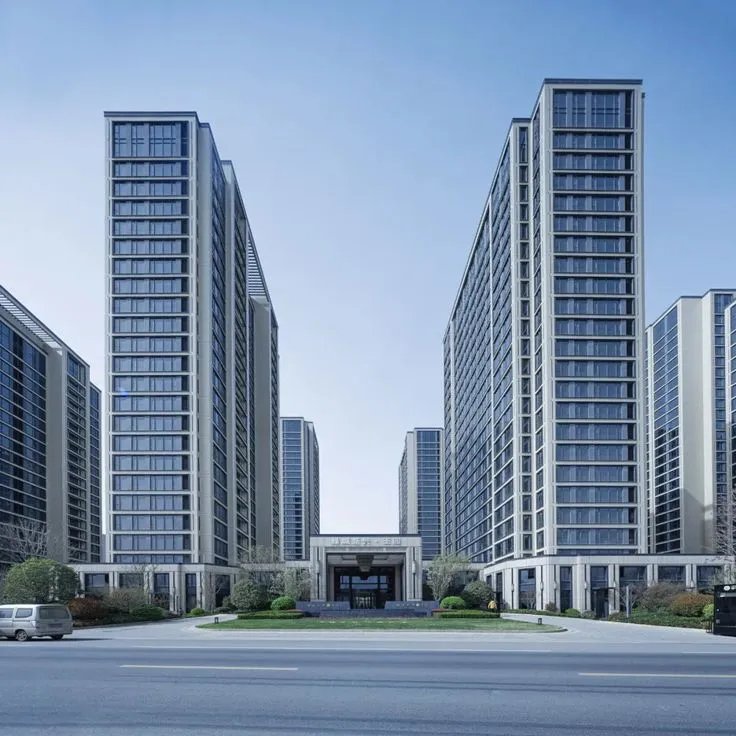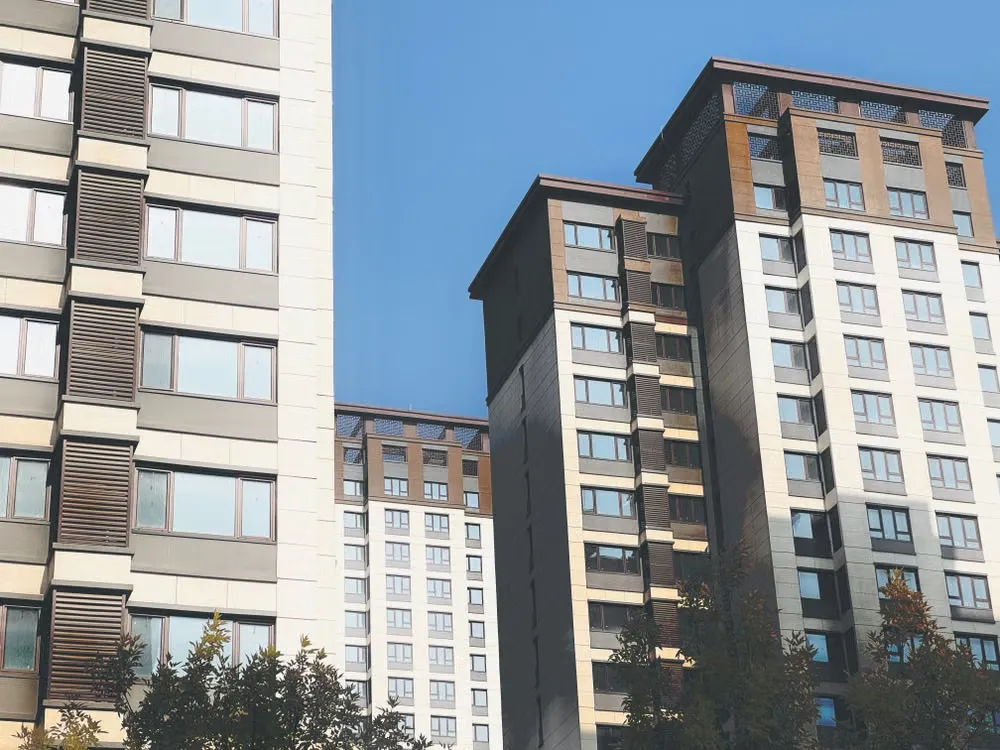
Buying an unfinished building means trusting a promise. The walls are not up, the lift is not installed, and the view is a render on a screen. That is why the builder’s history counts so much. Before booking a unit at Langdon Heights, look hard at who stands behind it.
A glossy brochure costs little to print. A finished building costs a great deal to deliver. Here is how to read a developer’s past work, what warning signs to catch, and which questions deserve straight answers. Nothing complicated. Just a bit of digging before you hand over money.
Past Projects Tell the Real Story
Start with what the developer has already built. Visit two or three completed sites. Look at the corridors, the lift lobbies, the car park, the way paint holds up after five years. Finished buildings never lie, and they say more than any sales pitch.
Talk to residents if you can. Ask the guard, ask the neighbours, ask anyone carrying groceries. Complaints about leaks, cracks, or slow repairs show up fast in casual chats. One grumble means little. Ten of them form a pattern, and patterns are worth noticing early.
On Time Delivery Matters More Than Most Think
Delays cost real money. If completion slips a year, you may pay rent elsewhere while still servicing a loan. Rental income you planned for simply does not arrive. Even a short slip can wreck a tight budget.
Check how many past projects finished on schedule. Public records and news archives often show the history. Chencharu Central Residences, like any launch, is best judged against its developer’s actual delivery dates, not the date printed in a leaflet. Dates on paper are cheap. Keys in hand are not.
Build Quality and Defect Handling
Every new building has defects. Nobody builds perfectly. What separates good developers from poor ones is how quickly they fix problems after handover. Ask how the defect period works and how many repair visits are normal.
Read buyer reviews on independent forums, but with care. Angry posts shout louder than happy ones. Look for repeated themes across different sources. If the same complaint appears again and again the issue is probably real. A calm honest answer from the sales team on this topic is a good sign.
Financial Strength and Project Funding
An unfinished project needs steady cash. A developer with weak finances may struggle if sales slow or costs jump. Look at company size past profits and whether they have partners with deep pockets. Larger groups can usually absorb a bad quarter.
Buyers in Singapore also benefit from rules that regulate how payments are released and how projects are supervised. Check the current legal protections on official government pages, since details change. Rules help, but a strong developer is still the first line of defence, and no law replaces that.
Reputation, Brand, and Resale Value
Names carry weight. A developer with a good record often sees stronger resale demand, since later buyers trust the label. Two flats with the same size and location can sell at different prices purely because of who built them.
That premium can matter at exit. Buyers pay for peace of mind, and they know a trusted name lowers their risk. It is a bit like choosing a restaurant with a long line over an empty one. Not always right, but usually a decent clue.
Questions to Ask Before Booking
Bring a short list to the showroom. Which projects have you finished recently? How many arrived on time? What is the defect process? Who handles complaints? Ask for answers in writing where you can. Vague replies deserve a second look.
Read the sales agreement slowly, including the dull parts. Check the completion date, the penalty terms, and the payment schedule. A lawyer’s fee is small compared with a mistake. Take notes, compare at least two developers, and never feel rushed by a booking deadline.
Conclusion
A developer’s record is the closest thing a buyer has to evidence before a building exists. Check finished projects, delivery dates, defect handling, and financial strength. Each piece adds to the picture, and together they cut the risk of an unpleasant surprise.
No record is perfect, and no promise is risk free. Still, buyers who research well sleep better. Whether you are weighing Langdon Heights or Chencharu Central Residences, let the facts lead and the sales pitch follow. Patience at the start can save years of worry.
At a Glance
- The history of a builder is crucial when considering purchasing a unit in an unfinished building like Langdon Heights.
- Visiting completed sites and talking to residents can provide valuable insights into the builder’s quality and reliability.
- Delays in project completion can lead to significant financial burdens, making it important to check past delivery timelines.
- Post-handover defect management is a key differentiator between quality developers, as all buildings inevitably have some defects.
- A developer’s financial strength and reputation can impact the resale value of a property, as buyers often prefer trusted brands.
- Asking specific questions about past projects and the defect process before booking can help mitigate potential risks.