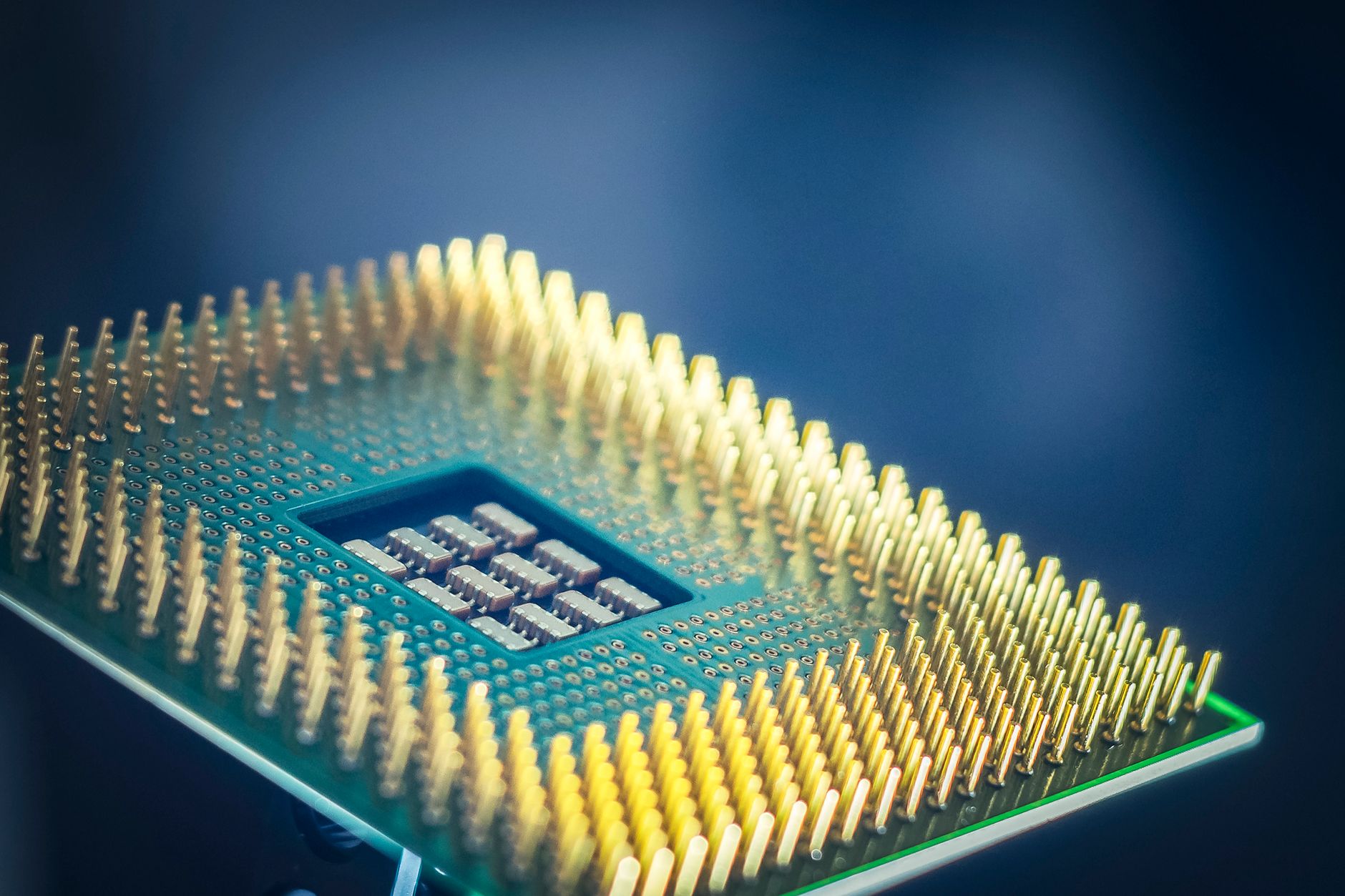
AI chip demand has surged, resulting in ASML hitting record sales of €11.7 billion. This impressive growth highlights the increasing reliance on advanced technology in various industries.
Understanding the Surge in AI Chip Demand
The recent surge in AI chip demand has significantly impacted the semiconductor industry, leading to unprecedented sales figures. Companies specializing in advanced chip manufacturing are witnessing a dramatic increase in orders, driven primarily by the rapid adoption of artificial intelligence technologies across various sectors.
Several factors contribute to this surge:
- Increased AI Adoption: Many businesses are integrating AI solutions to enhance efficiency and productivity, resulting in a higher need for specialized chips.
- Cloud Computing Expansion: The growth of cloud services necessitates more powerful hardware to support AI-driven applications, further fueling demand.
- Innovation in AI Technology: Continuous advancements in machine learning and data analysis require cutting-edge chips that can handle complex computations.
The impact of AI chip demand extends beyond manufacturers. It also influences supply chains and market dynamics, as companies race to secure the necessary resources to meet the needs of their customers. As AI continues to evolve, the demand for these specialized chips is expected to remain strong, driving further growth in the industry.
In summary, the surge in AI chip demand illustrates the vital role that advanced technology plays in shaping the future of various industries, highlighting the importance of innovation in semiconductor manufacturing.
ASML’s Record Sales Explained
ASML, a leading supplier of photolithography equipment for the semiconductor industry, has reported remarkable sales growth driven by the escalating demand for AI chips. The company achieved record sales of €11.7 billion, a significant increase attributed to several key factors.
- Technological Advancements: The rise of artificial intelligence has spurred the need for more powerful and efficient chips, prompting semiconductor manufacturers to invest heavily in cutting-edge technology.
- Increased Production Capacity: ASML’s innovative extreme ultraviolet (EUV) lithography machines enable chipmakers to produce smaller, more complex chips, meeting the soaring demand for AI applications.
- Global Market Expansion: With AI technology being integrated into various sectors, including automotive, healthcare, and finance, the global market for AI chips is expanding, further fueling ASML’s sales.
The surge in AI chip demand has created a ripple effect throughout the semiconductor supply chain, benefiting companies like ASML. The increasing reliance on AI technologies ensures that the demand for advanced chip manufacturing tools will continue to grow, positioning ASML for sustained success in the coming years.
As the technology landscape evolves, ASML’s ability to meet the needs of chip manufacturers will be crucial in capitalizing on the ongoing AI chip demand.
Impact of AI on Semiconductor Market
The unprecedented rise in AI chip demand has significantly reshaped the semiconductor market, leading to a surge in sales for major players like ASML. As industries increasingly integrate artificial intelligence into their operations, the need for advanced chips capable of handling complex computations has escalated. This dramatic shift is not just a fleeting trend; it represents a fundamental change in how technology is utilized across various sectors.
Several factors have contributed to this increased demand:
- Advancements in AI technologies: AI applications such as machine learning and deep learning require powerful hardware to process vast amounts of data efficiently.
- Expanding market applications: From autonomous vehicles to healthcare diagnostics, the incorporation of AI is penetrating diverse fields, demanding tailored semiconductor solutions.
- Investment in AI infrastructure: Companies are significantly investing in AI infrastructure, driving the need for high-performance chips.
This mounting demand for AI chips is not only benefiting semiconductor manufacturers but is also stimulating technological innovations and competition within the industry. As companies race to meet the needs of a rapidly evolving market, the future of semiconductor technology appears brighter than ever, with AI at the forefront of this transformation.
Future Trends in AI Technology
The future of AI technology appears to be closely tied to the burgeoning demand for AI chips, which are becoming increasingly essential in various sectors. As businesses and consumers alike integrate artificial intelligence into their daily lives, the need for advanced computing power is only expected to grow.
Several trends are emerging that highlight this shift:
- Increased Investment: Companies are allocating more resources to AI research and development, anticipating a substantial return on investment as AI applications expand.
- Enhanced Performance: The next generation of AI chips promises improved processing capabilities, enabling faster data analysis and more efficient machine learning algorithms.
- Wider Adoption: Industries such as healthcare, finance, and transportation are increasingly adopting AI technologies, driving the demand for specialized hardware.
- Sustainability Focus: As energy consumption becomes a concern, there is a push for AI chips that offer high performance with lower power requirements.
As these trends continue to evolve, the AI chip demand will likely play a pivotal role in shaping the future of technology, influencing everything from innovation strategies to market dynamics.
Key Players in the AI Chip Sector
The AI chip sector has witnessed remarkable growth, with several key players emerging as leaders in this fast-evolving market. These companies are driving innovation and meeting the surging demand for AI chips across various industries.
- NVIDIA – Renowned for its graphics processing units (GPUs), NVIDIA has positioned itself at the forefront of AI chip technology. Their advanced chips are widely used in machine learning and data processing, making them essential for businesses looking to leverage artificial intelligence.
- Intel – As a long-established semiconductor giant, Intel has adapted its product offerings to include AI-focused chips, investing heavily in research and development to capture a share of the booming AI chip demand.
- AMD – Advanced Micro Devices (AMD) has gained ground in the AI sector with its high-performance processors, which are increasingly being utilized for AI applications, particularly in data centers.
- Google – Through its Tensor Processing Units (TPUs), Google has made significant strides in AI chip development, showcasing the potential of specialized hardware for accelerating machine learning tasks.
These companies, among others, are not only contributing to the current surge in AI chip demand but are also shaping the future of technology with their innovative solutions.
Challenges Facing AI Chip Manufacturers
The rapid growth in AI chip demand presents significant challenges for manufacturers striving to keep pace with the surge. As companies rush to develop cutting-edge technologies, several hurdles have emerged that could impact their ability to meet market needs.
- Supply Chain Disruptions: The semiconductor industry has been grappling with supply chain issues due to factors such as the COVID-19 pandemic and geopolitical tensions. Shortages of raw materials and components can delay production timelines, constraining the availability of AI chips.
- Technological Complexity: Developing AI chips requires advanced engineering and expertise. Manufacturers must invest heavily in research and development to create chips that can handle the increasingly sophisticated demands of AI applications.
- Competition: With the rise in AI chip demand, competition has intensified among established players and newcomers alike. This competition often leads to price wars, which can squeeze profit margins and impact long-term sustainability.
- Regulatory Challenges: As governments around the world implement stricter regulations on technology, manufacturers may face increased scrutiny. Compliance with these regulations can add to operational costs and affect production efficiency.
As the industry navigates these challenges, the future of AI chip demand will depend on the ability of manufacturers to adapt and innovate.
Conclusion: The Future of AI and Sales Growth
As the demand for AI chips continues to rise, the future of the semiconductor industry looks increasingly promising. The remarkable €11.7 billion in sales reported by ASML underscores the significance of AI technology in shaping market trends and driving financial growth. Industry experts predict that the surge in AI chip demand will not only sustain current growth but also pave the way for innovative applications across various sectors.
Key players are investing heavily in research and development to enhance chip efficiency and performance. This competitive landscape is expected to lead to rapid advancements in AI technology, further fueling the need for sophisticated semiconductor solutions. Companies that adapt quickly to these market shifts are likely to thrive, while those that lag behind may struggle to keep up.
However, challenges remain, including supply chain issues and the need for skilled labor in semiconductor manufacturing. The ability to navigate these obstacles will be crucial for maintaining momentum in AI chip demand. As the landscape evolves, collaboration between tech firms and manufacturers will be essential to drive innovation and meet the growing needs of the market.
In conclusion, the intersection of AI and sales growth represents a pivotal moment for the industry, with significant opportunities for those ready to embrace change.
Photo by Jimmy Chan on Pexels