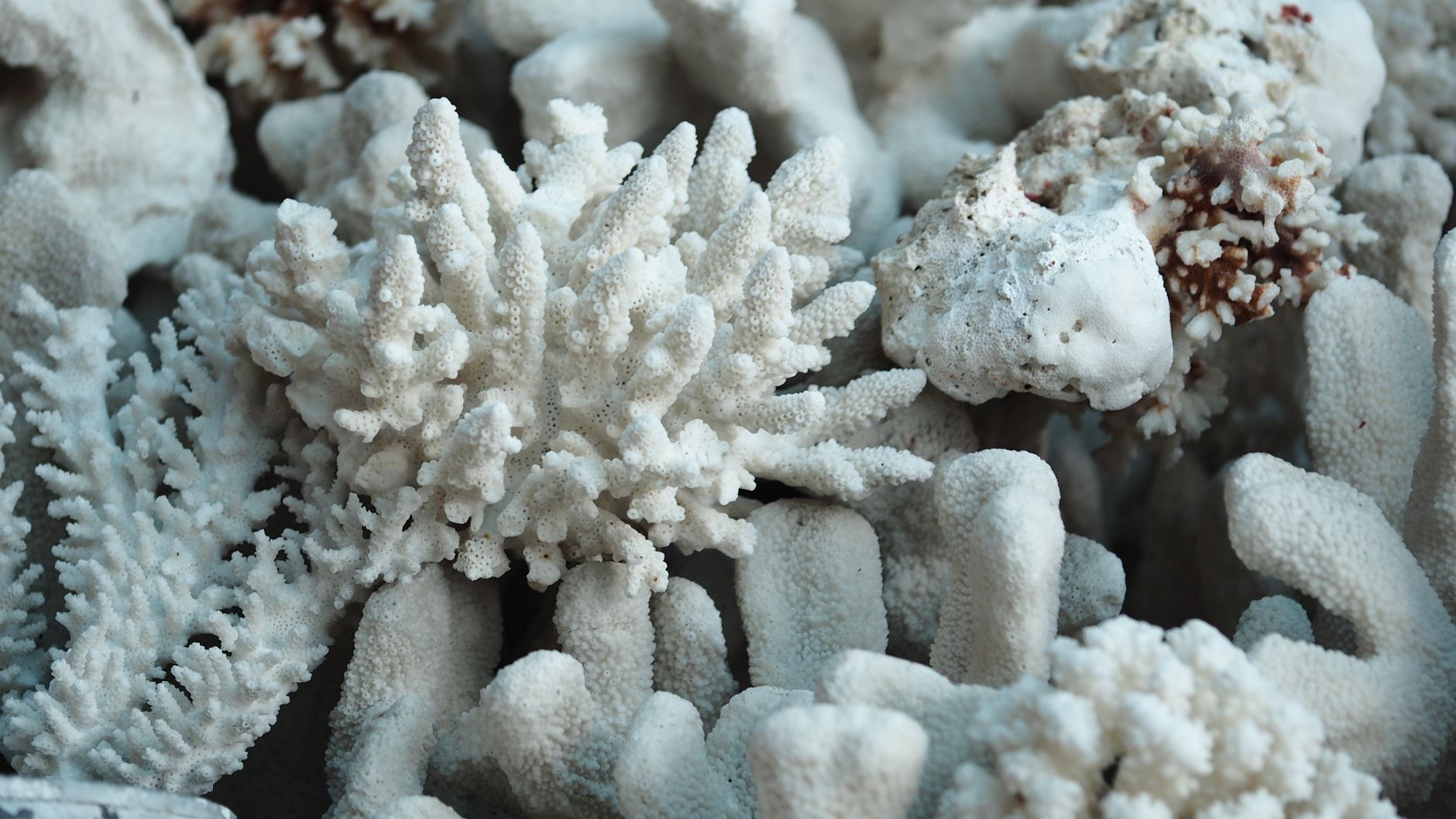
bleached corals are facing a dire situation, but recent research shows that healing these ecosystems is possible with targeted interventions.
Understanding Coral Bleaching
Coral bleaching is a phenomenon that occurs when corals become stressed due to environmental changes. This stress causes them to expel the symbiotic algae, known as zooxanthellae, that live within their tissues. These algae are crucial for the corals’ color and provide them with essential nutrients through photosynthesis. When the relationship between corals and their algae is disrupted, corals turn white, hence the term “bleached corals.”
Several factors contribute to coral bleaching, including:
- Rising sea temperatures: Increased water temperatures, often linked to climate change, can cause significant stress on coral reefs.
- Ocean acidification: Higher levels of carbon dioxide lead to more acidic waters, which can hinder the corals’ ability to build their calcium carbonate skeletons.
- Pollution: Runoff from agriculture and urban areas can introduce harmful substances into the ocean, further stressing the corals.
- Overexposure to sunlight: Excessive sunlight, particularly during warm seasons, can lead to increased bleaching events.
Understanding the causes of coral bleaching is essential for developing effective strategies to protect and restore these vital ecosystems. Recovery efforts focus on reducing local stressors and enhancing the resilience of coral reefs to adapt to changing conditions. By addressing these challenges, we can work towards healing bleached corals and ensuring the survival of our underwater ecosystems.
The Importance of Coral Reefs
Coral reefs are often referred to as the rainforests of the ocean due to their incredible biodiversity and vital ecological roles. These underwater ecosystems provide habitat and shelter for countless marine species, contributing to the overall health of the oceans.
Moreover, coral reefs are essential for coastal protection. They act as natural barriers, absorbing wave energy and reducing the impact of storms and erosion on coastal communities. This protective function is especially crucial for island nations and coastal cities that rely on reefs to shield them from natural disasters.
In addition to their ecological significance, coral reefs have immense economic value. They support tourism, fishing, and recreation, generating billions of dollars annually. Healthy coral ecosystems attract visitors from around the world, boosting local economies and providing livelihoods for millions.
Sadly, bleached corals represent a serious threat to these vital ecosystems. When corals expel the symbiotic algae that give them color and sustenance, they become vulnerable and can ultimately die if conditions do not improve. Protecting and restoring bleached corals is crucial for maintaining biodiversity, supporting marine life, and ensuring the sustainability of coastal communities.
It is imperative for us to recognize the importance of coral reefs and take action to protect them. By promoting conservation efforts, reducing pollution, and addressing climate change, we can help heal our reefs and maintain their invaluable contributions to our planet.
Methods for Coral Restoration
The healing of bleached corals requires a multifaceted approach that combines science, community involvement, and innovative techniques. Various methods have proven effective in restoring these vital marine ecosystems, ensuring they can thrive once again.
- Coral Gardening: This technique involves the cultivation of corals in nurseries before being replanted onto degraded reefs. By providing a controlled environment, researchers can enhance coral survival rates.
- Assisted Gene Flow: Scientists are exploring the transfer of heat-resistant coral species to areas affected by bleaching. This can help increase the resilience of local coral populations against rising sea temperatures.
- Marine Protected Areas: Establishing designated zones where fishing and other harmful activities are restricted allows ecosystems to recover naturally, giving bleached corals the chance to regenerate.
- Community Engagement: Involving local communities in restoration projects fosters a sense of stewardship. Educating people about the importance of corals can lead to better practices that protect these environments.
- Monitoring and Research: Continuous monitoring of coral health and ongoing research into the effects of climate change are crucial for developing adaptive strategies to mitigate future bleaching events.
By employing these methods, we can work towards healing bleached corals and restoring the vibrant ecosystems they support.
Impact of Climate Change on Corals
Climate change poses a significant threat to the health of our oceans, particularly impacting coral reefs worldwide. Rising sea temperatures, a direct consequence of global warming, lead to increased occurrences of coral bleaching. When corals become stressed due to heat, they expel the symbiotic algae that live within their tissues, resulting in the loss of their vibrant colors and essential nutrients.
In addition to temperature increases, other climate-related factors such as ocean acidification also contribute to the decline of coral reefs. As carbon dioxide emissions increase, the ocean absorbs more CO2, lowering the pH levels and making it harder for corals to build their calcium carbonate structures. This dual impact of warming waters and acidic environments creates a hostile ecosystem for corals, leading to widespread bleaching events.
The consequences of bleached corals extend beyond the reefs themselves. Coral ecosystems support an array of marine life, providing habitat, food, and breeding grounds for countless species. The decline of these ecosystems can disrupt local fisheries, tourism, and coastal protection.
To combat these challenges, it is crucial to address climate change through global efforts aimed at reducing greenhouse gas emissions. Additionally, local conservation initiatives can help manage and restore affected coral populations, ensuring a resilient future for these vital marine ecosystems.
Community Involvement in Restoration
Community involvement plays a crucial role in the restoration of bleached corals, as local efforts can significantly enhance the recovery of damaged reefs. Engaging residents in restoration initiatives fosters a sense of stewardship and responsibility towards marine ecosystems.
Many communities are embracing hands-on approaches to coral restoration, which include:
- Volunteer Programs: Local organizations often host events where community members can participate in coral planting and monitoring activities, helping to rehabilitate bleached corals.
- Educational Workshops: Conducting workshops to raise awareness about coral ecosystems and the impact of human activities can empower residents to take action in their own neighborhoods.
- Citizen Science Projects: Involving the community in scientific data collection helps researchers track the health of coral reefs and the effectiveness of restoration efforts.
- Partnerships with Schools: Collaborating with educational institutions allows students to engage in marine conservation projects, fostering a new generation of environmentally conscious individuals.
These initiatives not only assist in the recovery of bleached corals but also build a community that values and protects its natural resources. By working together, communities can create a lasting positive impact on their local marine environments, ensuring the resilience of coral reefs for future generations.
Recent Success Stories in Coral Healing
Recent efforts in coral restoration have showcased remarkable success stories, demonstrating that bleached corals can recover with the right interventions. One notable example comes from the Great Barrier Reef, where researchers have implemented a technique known as “assisted gene flow.” This method involves transplanting resilient coral species to areas affected by bleaching, enhancing the genetic diversity and increasing the chances of survival for future generations.
In the Caribbean, a team of marine biologists has successfully cultivated and replanted staghorn corals, which are particularly vulnerable to bleaching. By nurturing baby corals in underwater nurseries, they have seen significant growth rates and improved resilience in the face of rising ocean temperatures. Communities have rallied around these projects, engaging in coral planting days that foster a sense of stewardship and awareness.
An additional success story is found in the Philippines, where local fishermen have partnered with scientists to restore coral reefs damaged by bleaching. By creating “coral gardens,” they have not only revived the ecosystems but also improved local fish populations, which directly benefits their livelihoods.
These efforts highlight the importance of collaboration between scientists, communities, and policymakers in healing bleached corals. As these success stories continue to emerge, they pave the way for innovative solutions that can help restore our vital coral reefs.
Future of Coral Ecosystems
The future of coral ecosystems hangs in a delicate balance, as bleached corals face numerous challenges in their recovery. However, recent advancements in research and conservation efforts provide hope for revitalizing these essential marine habitats.
Corals are not just vibrant underwater structures; they support a diverse array of marine life. To ensure their survival, it is crucial to implement effective strategies that address the underlying causes of coral bleaching. Some of these strategies include:
- Restoration Projects: Engaging in large-scale coral restoration initiatives can help rehabilitate damaged reefs and foster growth.
- Monitoring Programs: Continuous monitoring of coral health can aid in early detection of bleaching events, allowing for timely intervention.
- Marine Protected Areas: Establishing and enforcing marine protected zones can alleviate stressors such as overfishing and pollution, providing a sanctuary for corals to recover.
- Community Education: Raising awareness about the importance of coral ecosystems and how individuals can help is vital for long-term success.
As researchers explore innovative methods, such as selective breeding of heat-resistant coral species, the potential for healing bleached corals increases. By combining community efforts with scientific advancements, we can pave the way for a resilient future for coral ecosystems worldwide.
Call to Action for Coral Protection
As stewards of our planet, it is imperative that we take action to protect the delicate ecosystems of our oceans, particularly in light of the alarming state of bleached corals. The health of coral reefs is not just a marine issue; it impacts global biodiversity and human livelihoods. Here are some proven ways to contribute to coral protection:
- Reduce Carbon Footprint: Consider using public transportation, biking, or walking to decrease greenhouse gas emissions that contribute to climate change.
- Support Sustainable Fishing: Engage with local fisheries that practice sustainable methods to ensure marine life can thrive.
- Participate in Beach Clean-Ups: Join community efforts to remove trash and debris from beaches, helping to prevent pollution from harming coral ecosystems.
- Advocate for Marine Protected Areas: Support policies and initiatives that establish and enforce protected marine environments to safeguard corals and other marine life.
- Educate Others: Share knowledge about the effects of coral bleaching and the importance of reefs in maintaining ocean health and biodiversity.
By taking these steps, we can collectively work towards healing our bleached corals and ensuring that future generations inherit vibrant and thriving marine ecosystems. Every small action counts, and together we can make a significant impact.
Photo by mingche lee on Pexels
References
You might also like
Garry’s Mod Creator Response: Honest Take on Project Failures · Is Xbox new IP the worst move for the company? · Apple HomeView AI: The Smart Choice to Beat Amazon