Vishnupad Temple redevelopment is set to transform the region with significant investments from the Bihar government. This initiative includes several key infrastructure projects.
Overview of the Vishnupad Temple redevelopment
The recent announcement regarding the Vishnupad Temple redevelopment has generated significant interest across Bihar. The Bihar government has approved a substantial investment of Rs 3,516 crore aimed at revitalizing this iconic religious site, which holds immense cultural and spiritual significance for many devotees.
This redevelopment project is not only focused on enhancing the temple’s infrastructure but also aims to improve accessibility and amenities for visitors. Key components of the project include:
- Upgrading the temple’s surroundings to create a more serene and welcoming environment.
- Construction of new pathways and entry points to facilitate easier access for pilgrims.
- Development of facilities such as rest areas, information centers, and food zones to cater to the needs of visitors.
- Improvement of the Son-Falgu River link to enhance the scenic beauty of the area.
With these enhancements, the Vishnupad Temple redevelopment is expected to attract more visitors, boost local tourism, and contribute significantly to the economic growth of the region. This initiative underscores the government’s commitment to preserving Bihar’s rich heritage while promoting sustainable development.
Details on the Rs 3,516 crore investment
The Bihar government has confirmed an extensive investment of Rs 3,516 crore aimed at the redevelopment of the Vishnupad Temple. This significant financial commitment is not only a step towards enhancing the temple’s infrastructure but also aims to boost the overall tourism appeal of the region.
The investment encompasses several key projects, including:
- Expansion of Temple Facilities: Improvements to visitor amenities and sanctuaries to accommodate the increasing number of pilgrims.
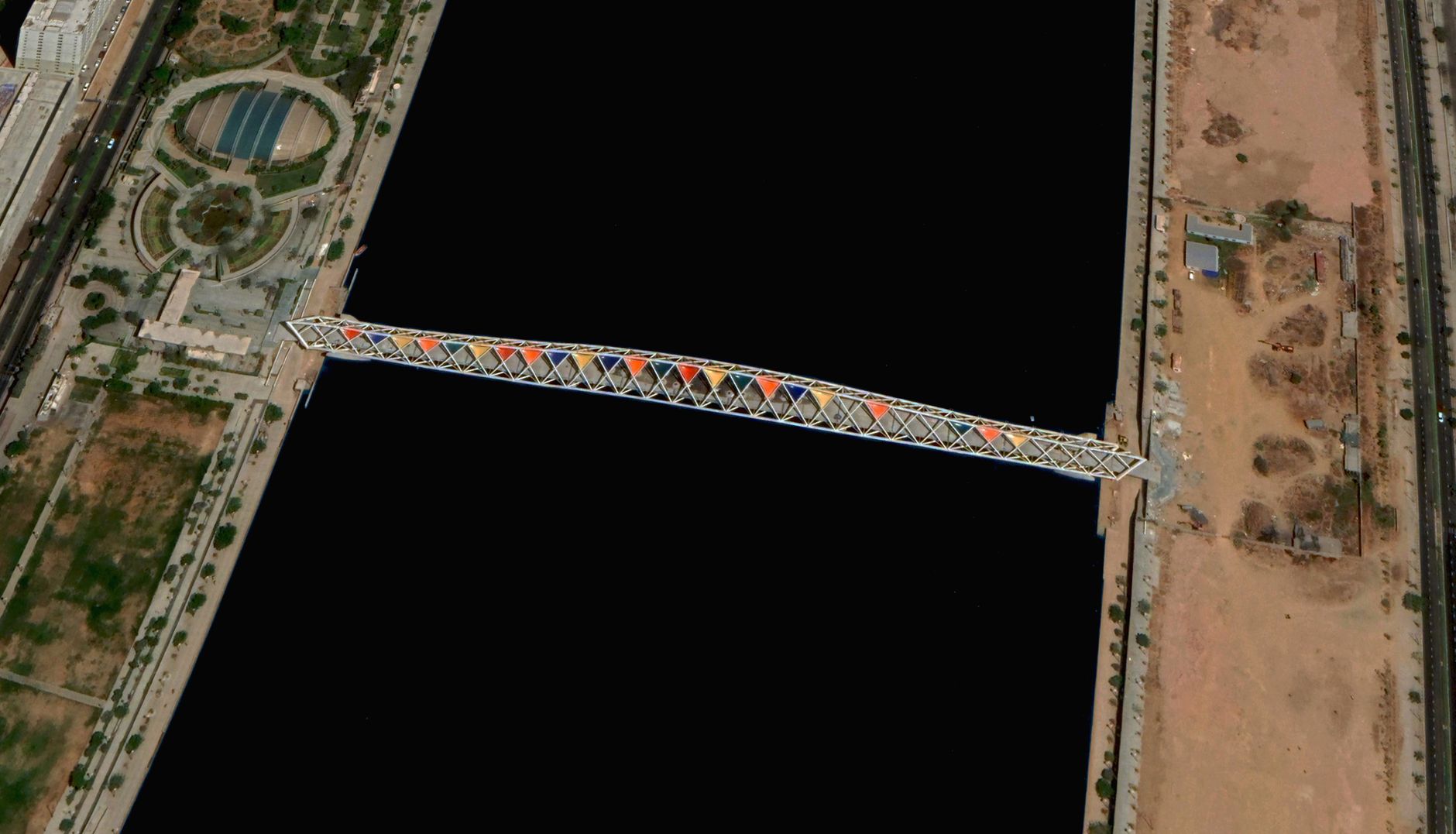
- Manasarovar-Manpur Bridge: Construction of a bridge to facilitate better connectivity to the temple.
- Son-Falgu River Link: A project designed to improve the river’s navigability and aesthetic appeal, enhancing the temple’s scenic surroundings.
This multifaceted redevelopment approach is expected to significantly enhance the spiritual and cultural landscape of Bihar, making the Vishnupad Temple redevelopment a worthy investment for the state. The government anticipates that these enhancements will attract more visitors and generate economic growth for the local community.
Impact of the Manasarovar-Manpur Bridge project
The Manasarovar-Manpur Bridge project is poised to significantly enhance the accessibility and appeal of the Vishnupad Temple redevelopment. This strategically planned bridge will connect key areas, facilitating smoother transportation and increasing footfall to the temple site.
With the bridge’s construction, devotees and tourists will find it easier to visit the revered site, which is expected to lead to a surge in local tourism. The project aims to:
- Improve Connectivity: The bridge will reduce travel time and improve access to the temple, making it more convenient for visitors.
- Boost Local Economy: Increased tourist traffic will benefit local businesses, such as hotels, restaurants, and shops, fostering economic growth in the region.
- Enhance Safety: The new infrastructure will provide a safer route for pedestrians and vehicles, promoting a more pleasant visiting experience.
Ultimately, the Manasarovar-Manpur Bridge project complements the Vishnupad Temple redevelopment, creating a holistic approach to enhancing Bihar’s cultural and spiritual heritage while generating economic opportunities for the local community.
Benefits of the Son-Falgu River link
The proposed link between the Son and Falgu rivers is poised to bring numerous benefits to the region, particularly in the context of the Vishnupad Temple redevelopment. This innovative project aims to enhance water management, promote tourism, and boost the local economy.
One of the primary advantages of the Son-Falgu River link is its potential to improve irrigation in the surrounding agricultural areas. By facilitating better water flow, farmers can expect increased crop yields and improved livelihoods. Additionally, this development is expected to reduce the risk of flooding, thereby protecting local communities and their property.
Moreover, the link will significantly enhance the tourism infrastructure in the area. As visitors flock to the Vishnupad Temple, they will also be drawn to the natural beauty of the newly linked rivers, creating opportunities for eco-tourism and related businesses. This influx of tourists is likely to create jobs and stimulate local economies.
Ultimately, the Son-Falgu River link serves as a crucial component of the Vishnupad Temple redevelopment, promising to transform the region into a vibrant hub of activity and opportunity.
Community response to redevelopment plans
The recent announcement of the Vishnupad Temple redevelopment has sparked a range of responses from the local community and stakeholders. Many residents express optimism about the project, seeing it as a significant opportunity for growth and tourism in Bihar.
Local business owners are particularly enthusiastic, believing that the redevelopment will attract more visitors, thus boosting their sales. Rajesh Kumar, a shopkeeper near the temple, stated, “This investment will bring much-needed foot traffic to our area. We are excited about the possibilities.”
Community leaders have also voiced their support, emphasizing the potential benefits for cultural preservation and religious tourism. Sarita Devi, a member of the local council, commented, “The Vishnupad Temple redevelopment is not just an investment in infrastructure; it is an investment in our heritage and future.”
On the other hand, some residents are concerned about potential disruptions during the construction phase. Ramesh Singh, a local resident, mentioned, “While I support the redevelopment, I hope the government addresses our concerns regarding traffic and noise.”
Overall, the community’s response reflects a mix of hope and caution as they look forward to the changes the Vishnupad Temple redevelopment will bring.
Timeline for project completion
The Vishnupad Temple redevelopment project is set to unfold in multiple phases, with a clear timeline established to ensure timely completion. The Bihar government has outlined a structured approach to the redevelopment, aiming to enhance the temple’s infrastructure and visitor experience.
The initial phase is expected to begin in early 2024, focusing on site preparation and foundational work. This phase will last approximately six months, leading to the establishment of a robust base for the temple’s new features.
Following this, the second phase will commence in late 2024, encompassing the construction of visitor amenities, including waiting areas and information centers. This phase is projected to take about a year, with an anticipated completion date in mid-2025.
Lastly, the final phase will focus on aesthetic enhancements and landscaping, alongside the integration of technological facilities to improve the overall pilgrimage experience. The entire Vishnupad Temple redevelopment project is slated for completion by the end of 2026.
This timeline demonstrates the Bihar government’s commitment to preserving cultural heritage while upgrading infrastructure to support increased tourism and community engagement.
Government’s vision for Bihar’s infrastructure
The Bihar government has articulated a clear vision for enhancing the state’s infrastructure through strategic investments aimed at fostering economic growth and cultural preservation. The recent approval for the Vishnupad Temple redevelopment is a testament to this vision, highlighting the government’s commitment to not only restore a significant religious site but also elevate the overall tourism experience in the region.
Key components of the government’s plan include:
- Enhanced Connectivity: The planned infrastructure improvements are designed to facilitate easier access to the temple, encouraging more visitors and pilgrims.
- Sustainable Development: The redevelopment will prioritize eco-friendly practices, ensuring that the cultural heritage of the site is preserved while also modernizing facilities.
- Job Creation: The investment is expected to generate numerous job opportunities for local residents, thus boosting the economy.
- Cultural Revitalization: By focusing on the Vishnupad Temple redevelopment, the government aims to reinvigorate interest in Bihar’s rich cultural heritage.
Through these initiatives, the Bihar government seeks to create a symbiotic relationship between development and tradition, ultimately reinforcing its position as a significant cultural hub in India.
Future projects in the pipeline
The Vishnupad Temple redevelopment is just one part of a broader vision for enhancing Bihar’s cultural and infrastructural landscape. Several future projects are lined up that aim to further elevate the region’s profile and improve the quality of life for its residents.
- Heritage Conservation Initiatives: Plans are underway to preserve and restore other historical sites around Gaya, ensuring that the rich heritage of Bihar is maintained for future generations.
- Tourism Development Programs: The state government is exploring various tourism initiatives that will complement the Vishnupad Temple redevelopment. Enhancements to local amenities and attractions are aimed at boosting visitor numbers.
- Transportation Enhancements: In addition to the Manasarovar-Manpur Bridge, improvements in local transport infrastructure are being considered to facilitate easier access to the temple and surrounding areas.
- Community Engagement Projects: Efforts will be made to involve local communities in the development process, ensuring that the benefits of the Vishnupad Temple redevelopment are shared among all residents.
These projects reflect a comprehensive strategy that reinforces the significance of the Vishnupad Temple redevelopment in positioning Bihar as a key destination for both pilgrims and tourists alike.
Photo by “Beyond India by Shubham Thakur” on Pexels