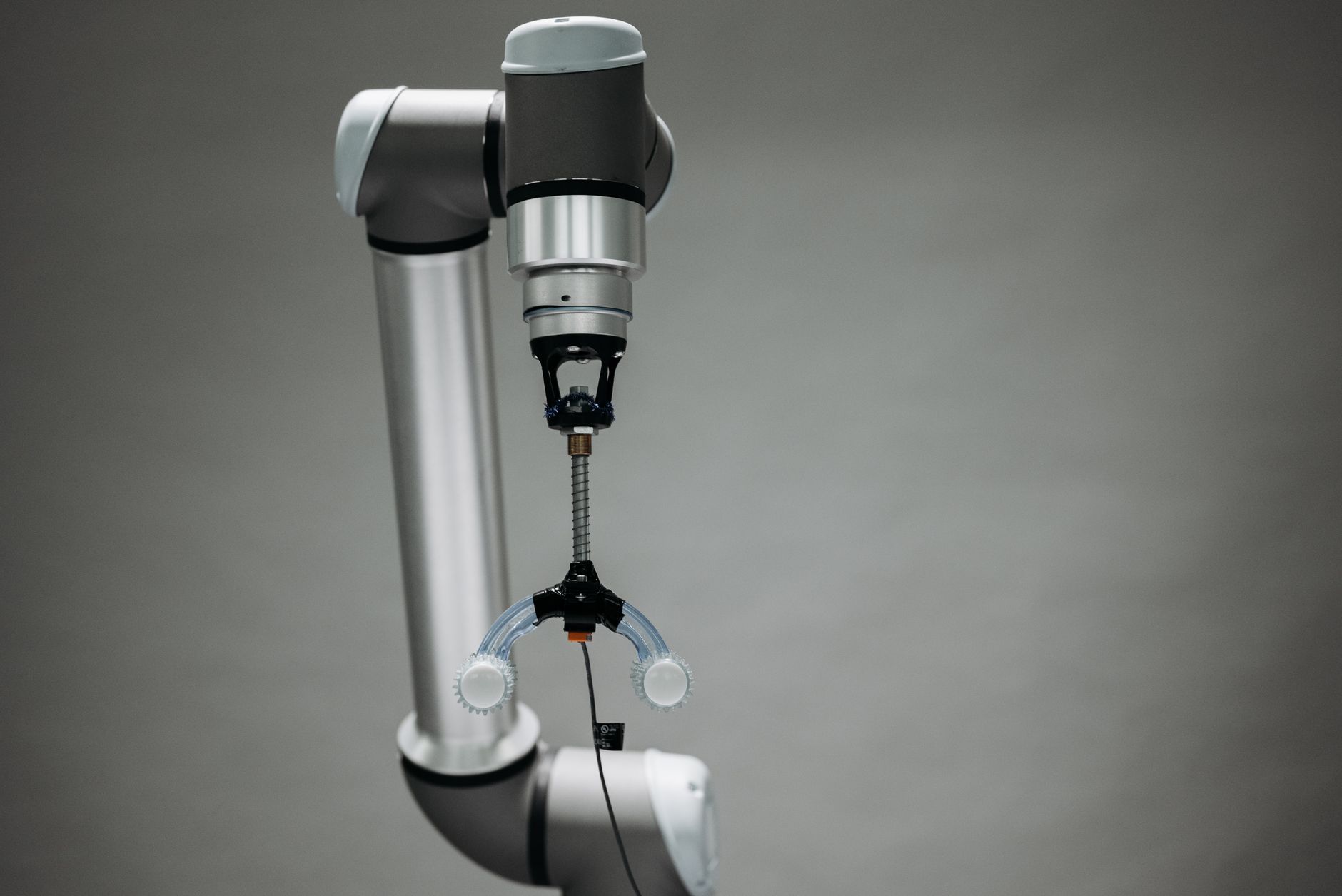
Dental Robotics funding is paving the way for groundbreaking advancements in the dental industry, particularly with autonomous suction robots. This new technology promises to enhance efficiency and precision in dental procedures.
Overview of Dental Robotics Funding
The field of dental robotics is rapidly evolving, with innovative solutions gaining traction in dental practices worldwide. Recently, significant funding has been directed towards developing advanced technologies that enhance patient care and improve clinical outcomes. Dental robotics funding is crucial in driving these advancements, enabling researchers and companies to create sophisticated tools and devices.
One notable example is the recent seed funding raised for an autonomous suction robot designed specifically for dental procedures. This technology aims to streamline the workflow of dental professionals, allowing them to focus more on patient care rather than manual tasks. The injection of capital into such projects highlights the growing interest in robotics within the dental industry.
The investment landscape for dental robotics is characterized by several key trends:
- Increased collaboration: Partnerships between tech companies and dental practices are becoming more common, fostering innovation.
- Focus on automation: Many funding initiatives prioritize technologies that reduce the need for manual intervention during procedures.
- Enhancement of patient experience: Solutions that improve comfort and efficiency are receiving attention from investors.
As funding continues to grow, the future of dental robotics looks promising, paving the way for groundbreaking advancements in oral healthcare.
Impact of Autonomous Suction Robots
The introduction of autonomous suction robots in dental practices represents a transformative leap in the field of dentistry. These innovative devices are designed to enhance efficiency, improve patient comfort, and reduce the workload on dental professionals. With a recent surge in dental robotics funding, companies are racing to develop and deploy these advanced technologies.
One of the most significant impacts of autonomous suction robots is their ability to provide consistent and efficient suction during dental procedures. This capability not only allows dentists to focus more on their craft but also leads to shorter appointment times for patients. Furthermore, these robots can adapt to various dental environments, ensuring that they function optimally across different procedures.
The funding received by developers of these robots is crucial for advancing their capabilities. Investment enables researchers and engineers to refine the technology, enhance its precision, and integrate artificial intelligence for improved performance. As a result, practices are likely to see a boost in patient satisfaction and overall outcomes.
In conclusion, the rise of autonomous suction robots, fueled by substantial dental robotics funding, is poised to set new standards in dental care, making it a pivotal area to watch in the coming years.
Key Investors in Dental Robotics
In the rapidly evolving field of dental robotics, several key investors have emerged, driving innovation and funding crucial advancements. These investors recognize the potential of dental robotics funding to enhance patient care and improve operational efficiency in dental practices.
Among the prominent investors are:
- Venture Capital Firms: Many venture capital firms are investing heavily in startups focused on dental robotics, seeing the market’s growth potential.
- Health Technology Companies: Established health tech companies are also joining the funding landscape, seeking to integrate robotics into their existing product lines.
- Angel Investors: Individual angel investors with a background in healthcare technologies are providing seed funding to innovative startups.
- Government Grants: Some government initiatives are supporting research and development in dental robotics, recognizing its significance in advancing healthcare.
These investments are crucial for the development of new technologies, including autonomous suction robots, which are expected to revolutionize dental procedures. With the influx of dental robotics funding, the industry is poised for significant breakthroughs, promising a future where dental care becomes more efficient and effective.
Future Trends in Dental Technology
The future of dental technology is poised for significant advancements, particularly with the rise of dental robotics funding. As the industry evolves, several key trends are emerging that promise to reshape dental practices and improve patient outcomes.
- Increased Automation: The integration of automated systems is set to enhance efficiency in dental procedures. Robotics can assist in tasks ranging from precision diagnostics to executing complex surgical interventions.
- AI Integration: Artificial intelligence is becoming a critical component in dental robotics, allowing for smarter decision-making during treatments. AI algorithms can analyze data to predict patient needs and customize treatment plans accordingly.
- Tele-dentistry: The rise of telemedicine has influenced dental practices. Remote consultations and robotic assistance will become more commonplace, enabling patients to receive care without the need for in-person visits.
- Enhanced Training: Robotics will not only impact patient care but also revolutionize dental education. Training simulations using robotic systems will allow students to practice skills in a controlled environment, improving their readiness for real-world scenarios.
As dental robotics funding continues to support these innovations, the future looks bright for both practitioners and patients, promising a more efficient and personalized approach to dental care.
Challenges Facing Dental Robotics
Despite the promising advancements in dental robotics, the sector faces several challenges that could hinder its growth and innovation. One significant obstacle is the high cost associated with developing and implementing robotic technologies in dental practices.
Many dental professionals are hesitant to invest in these innovations due to the initial financial burden, which can deter potential funding opportunities. Additionally, the demand for efficient training programs for practitioners is critical, as many may lack the technical expertise to operate advanced robotic systems.
Another challenge is the integration of dental robotics into existing workflows. Dentists and staff must adapt to new technologies while maintaining high standards of patient care, which can be a daunting task.
Moreover, regulatory hurdles can slow down the approval process for new robotic devices. Ensuring safety and compliance with healthcare regulations takes time, which can delay the rollout of innovative solutions.
Finally, public perception and acceptance of robotic assistance in dental procedures remain a challenge. Patients may have concerns regarding the reliability and effectiveness of robotic systems, impacting their willingness to embrace these technologies.
Addressing these challenges is essential for attracting dental robotics funding and fostering an environment conducive to innovation.
How Funding Boosts Innovation
Funding plays a crucial role in driving innovation within the dental robotics sector. With the rising demand for advanced technological solutions, investment in this field has surged, leading to the development of groundbreaking projects. The influx of capital allows researchers and companies to explore new ideas, refine existing technologies, and bring innovative products to market more efficiently.
One prominent example of this trend is the recent seed funding secured by a startup focused on an autonomous suction robot. This funding enables the team to enhance their prototype, conduct vital trials, and ensure regulatory compliance, paving the way for successful integration into dental practices. By providing the necessary resources, investors help turn ambitious concepts into practical tools that improve patient outcomes and streamline dental procedures.
Furthermore, the competitive nature of the dental robotics market encourages continuous improvement. Companies that receive dental robotics funding are motivated to push the envelope, ensuring that they stay ahead of their competitors. This cycle of innovation driven by financial support not only benefits the developers but also provides patients with more effective and efficient dental care options.
In summary, funding acts as a catalyst for innovation in dental robotics, fostering advancements that promise to revolutionize the industry.
Case Studies of Successful Implementations
Several case studies highlight the successful implementation of dental robotics, showcasing how funding has accelerated innovation in this field.
One notable example is the deployment of autonomous suction robots in dental clinics across the United States. These robots, which have received significant dental robotics funding, have transformed the way procedures are performed. Clinics report a notable reduction in procedure times, allowing dental professionals to focus more on patient care.
Another successful case is the integration of robotic arms that assist in complex surgeries. One prominent dental practice in Europe utilized funding to develop a robotic system that enhances precision in implant placements. The outcome has been overwhelmingly positive, with an impressive increase in patient satisfaction and a decrease in post-operative complications.
Moreover, a startup in Asia secured funding to create a prototype for a robotic assistant that streamlines the sterilization process of dental instruments. Early trials have shown a 40% improvement in efficiency, demonstrating the potential for robotic solutions to enhance safety and workflow in dental settings.
These case studies illustrate the tangible benefits of investment in dental robotics, paving the way for further advancements and widespread adoption in the industry.
Conclusion and Future Outlook
In conclusion, the landscape of dental robotics is rapidly evolving, driven by significant funding and technological advancements. The influx of capital into this field is not only facilitating the development of autonomous suction robots but also paving the way for a broader range of innovative solutions that enhance patient care and streamline dental procedures.
As we look to the future, several key trends are poised to shape the dental robotics sector:
- Increased Integration of AI: The incorporation of artificial intelligence will enable robots to perform complex tasks with greater precision.
- Enhanced Collaboration: Robotics will increasingly work alongside dental professionals, improving workflow and outcomes.
- Expansion of Applications: Beyond suction, new robotic functions are expected to emerge, addressing various aspects of dental procedures.
However, challenges remain, including regulatory hurdles and the need for ongoing research to ensure safety and efficacy. The role of funding is critical in overcoming these barriers, as it supports the innovation necessary for breakthroughs in the field.
As dental robotics funding continues to flow, the promise of a more efficient and effective dental practice is becoming a reality, setting the stage for a transformative future in dental care.
As the field of dental robotics continues to evolve, securing adequate Dental Robotics funding is crucial for developing cutting-edge technologies. Innovative solutions backed by Dental Robotics funding can significantly enhance patient care and streamline dental procedures.
Photo by Pavel Danilyuk on Pexels