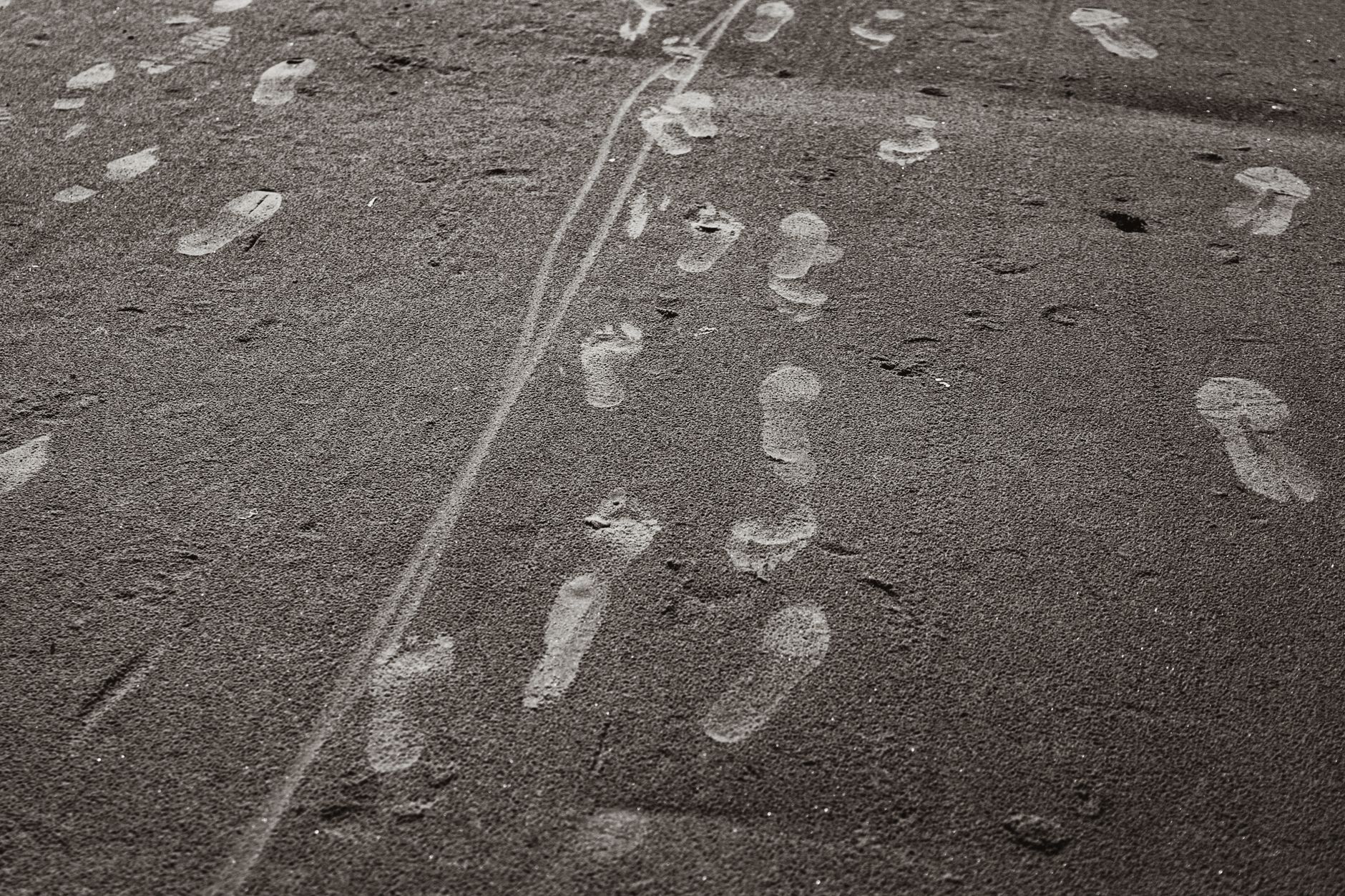
White Sands footprints reveal significant insights into how humans experienced abrupt environmental shifts during the last ice age. This fascinating discovery sheds light on our ancestors’ adaptability in changing climates.
What Are the White Sands Footprints?
The White Sands footprints are a remarkable collection of human and animal tracks discovered in the White Sands National Park in New Mexico. These footprints date back to the last Ice Age, providing significant insight into the lives of early humans who roamed the region. The prints were first identified in the early 2000s, but recent studies have highlighted their importance in understanding the environmental changes that occurred during that period.
These footprints are not just remnants of ancient inhabitants; they serve as a timeline of human activity during a time of drastic climate shifts. Researchers believe that the footprints reveal how humans adapted to their surroundings as the landscape transformed. The prints indicate interactions between people and large animals, hinting at hunting practices and social structures.
Furthermore, the White Sands footprints are crucial for understanding the broader ecological context of the era. They suggest that as the climate fluctuated, human populations either migrated or adjusted their lifestyles to cope with new challenges. This evidence of adaptability highlights the resilience of early human societies and their ability to thrive in changing environments.
In summary, the White Sands footprints are more than just a historical curiosity; they are a vital link to understanding the complex relationship between humans and their environment during one of the most dynamic periods in Earth’s history.
Significance of Environmental Shifts
The study of the White Sands footprints has profound implications for understanding human adaptation to environmental changes. These ancient footprints provide a rare glimpse into the lives of early humans during a period of significant climatic instability. Researchers have identified that the footprints date back to a time when the last ice age was reaching its climax, a period characterized by abrupt and dramatic shifts in the environment.
The significance of these environmental shifts can be summarized in several key points:
- Human Adaptation: The footprints indicate that humans were able to adapt to rapidly changing conditions, showcasing their resilience and ingenuity.
- Habitat Changes: As temperatures fluctuated, the landscapes around the White Sands changed dramatically, affecting the availability of resources like food and water.
- Ecological Interactions: The evidence from the White Sands footprints suggests that early humans coexisted with various megafauna, which were also adapting to the new environmental challenges.
- Historical Context: Understanding these adaptations helps researchers piece together the broader narrative of human evolution during critical periods of climatic change.
In conclusion, the White Sands footprints not only reveal the presence of humans but also underscore the significance of environmental shifts in shaping their survival and adaptation strategies.
How Did Humans Adapt?
The discovery of the White Sands footprints provides significant insights into how humans adapted to rapid environmental changes during the last ice age. As the climate fluctuated, creating varying ecosystems, early inhabitants were faced with challenges that required them to modify their behaviors and lifestyles.
One of the primary adaptations involved changes in hunting and foraging techniques. As the landscape transformed, food sources became more scarce in certain areas. Humans had to:
- Expand their hunting grounds to track migrating animal herds.
- Develop new tools and strategies for capturing different species that became more prevalent.
- Learn to identify and gather a wider variety of edible plants.
Social structures also underwent transformations. Communities likely became more cooperative, sharing resources and knowledge to survive in the shifting environment. This collaboration would have been crucial for thriving amidst the challenges posed by the changing climate.
Additionally, shelter construction techniques evolved as people learned to adapt to new weather patterns and conditions. The footprints at White Sands suggest that these early humans were not only resilient but also innovative, employing their ingenuity to navigate the complexities of their environment.
In essence, the study of the White Sands footprints reveals a crucial chapter in human history, highlighting our ancestors’ remarkable ability to adapt to abrupt environmental shifts.
Discoveries at White Sands
The recent discoveries at White Sands have unveiled a wealth of information about early human life and environmental changes during the last ice age. Researchers have uncovered ancient footprints that provide a glimpse into the lives of those who walked the vast, sandy landscapes thousands of years ago. These White Sands footprints are not merely a record of human presence; they also serve as evidence of the dramatic climatic shifts that occurred in this region.
Scientists have identified several key findings from the site, including:
- Footprint Analysis: The detailed study of the footprints reveals the size and stride of early humans, offering insights into their behavior and social structures.
- Environmental Indicators: The sediment layers surrounding the footprints show changes in vegetation and animal life, indicating a fluctuating climate that affected human habitation.
- Chronological Dating: Radiocarbon dating techniques have helped establish a timeline that correlates the presence of these footprints with significant environmental events.
These discoveries highlight the resilience of early humans as they adapted to their changing world. The footprints serve as a testament not only to human ingenuity but also to the profound impact of climatic shifts on their survival and lifestyle. As researchers continue to analyze the site, more revelations about the complex relationship between humans and their environment are expected to emerge.
Implications for Climate Change
The findings from the White Sands footprints provide crucial insights into how ancient humans navigated significant environmental changes. The evidence suggests that these populations faced abrupt shifts in climate during the last ice age, which likely influenced their survival strategies and migration patterns.
Understanding the implications of these discoveries extends beyond historical curiosity. The White Sands footprints highlight the resilience and adaptability of early humans in response to drastic ecological transformations. These adaptations can inform current perspectives on how modern societies might respond to ongoing climate change.
As temperatures rise and weather patterns shift, examining the past can offer valuable lessons. Key implications include:
- Migration Patterns: Historical shifts may mirror potential future movements as communities adapt to new environmental realities.
- Resource Management: Insights into how ancient populations utilized available resources can guide contemporary sustainable practices.
- Cultural Resilience: The ability of early humans to adapt culturally can inspire modern strategies for community cohesion amid environmental stressors.
In summary, the White Sands footprints reveal not just the past interactions of humans with their environment, but also underscore the importance of adaptability in the face of climate change. These lessons remain relevant as we confront the challenges of a shifting planet today.
Future Research Directions
As researchers continue to analyze the White Sands footprints, future investigations will focus on several key areas to deepen our understanding of past climate conditions and human adaptation. One promising direction is the use of advanced dating techniques to refine the timeline of when these footprints were made. By obtaining more precise dates, scientists can better correlate human activities with environmental changes during the last ice age.
Another critical area of research involves the study of ancient flora and fauna in conjunction with the footprints. Analyzing pollen and sediment samples from the White Sands region can provide insights into the ecosystems that existed alongside early human populations. This approach will help reconstruct the environmental context in which humans adapted, offering a clearer picture of how different species responded to climate shifts.
Furthermore, interdisciplinary collaboration will be essential in future research. By combining expertise from archaeology, geology, and climate science, researchers can develop more comprehensive models of human behavior in response to abrupt environmental changes. This holistic understanding may reveal patterns that are applicable to contemporary issues related to climate change.
Ultimately, the ongoing study of the White Sands footprints not only sheds light on human history but also serves as a crucial reminder of the adaptive strategies employed by our ancestors in the face of environmental challenges.
Photo by Margarita on Pexels