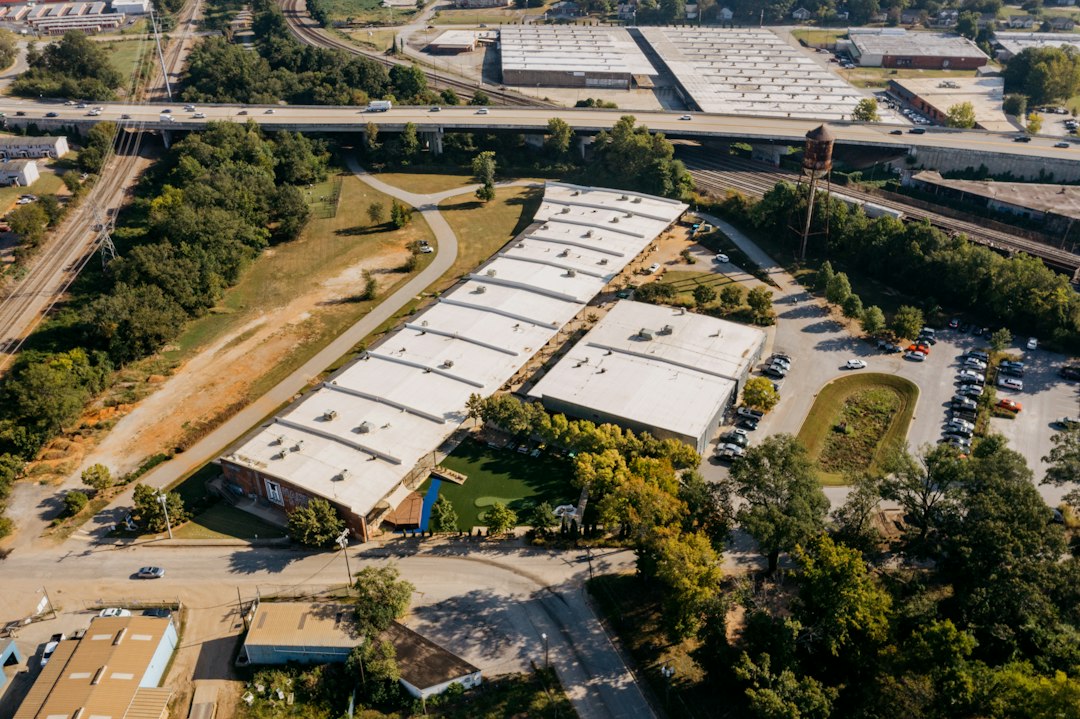
Industrial estates are becoming increasingly important to Australia’s expanding business ecosystem, providing purpose-built environments where companies can operate, scale, and respond to changing market demands. Today’s estates are designed with greater attention to access, logistics, technology, sustainability, and flexibility than earlier industrial environments. Hannas reflects a modern development perspective in which carefully planned industrial estates can provide businesses with the infrastructure and space needed to support sustainable growth.
Jump To
- What defines a modern industrial estate?
- Why is business growth influencing industrial design?
- How does strategic planning improve estate functionality?
- What role does location play in business growth?
- How are industrial estates supporting technology-driven businesses?
- Why is flexibility important for growing businesses?
- How does sustainability contribute to industrial estate performance?
- What makes shared infrastructure valuable?
- How can design support employee experience?
- What does the future of industrial estate design look like?
- Conclusion
What defines a modern industrial estate?
A contemporary industrial estate is more than a collection of individual buildings. It is a coordinated environment where roads, access points, services, landscaping, parking, utilities, and building layouts are planned to work together.
This integrated approach can create a more efficient setting for businesses. Shared infrastructure and well-organised site planning can also improve accessibility and provide a consistent environment for multiple commercial operations.
Why is business growth influencing industrial design?
Business growth often brings new requirements for floor space, storage, employees, equipment, vehicles, and logistics. Industrial properties therefore need to accommodate changing operational demands.
Modern estate design can address these needs through practical building configurations, efficient circulation, suitable loading areas, and flexible spaces. These features can give businesses greater capacity to grow without immediately requiring a completely different operating location.
How does strategic planning improve estate functionality?
Industrial estate planning involves understanding how different businesses will use the site. Vehicle movements, delivery schedules, employee access, parking, loading activities, and building relationships all need to be considered.
Careful planning can reduce unnecessary movement and create clearer connections between buildings and shared infrastructure. This contributes to an environment where businesses can operate more smoothly.
What role does location play in business growth?
Location remains one of the strongest influences on industrial property performance. Convenient access to major roads, transport networks, employment areas, suppliers, and customers can support efficient business operations.
A strategically positioned industrial estate can also provide businesses with greater connectivity as they expand. Strong location planning therefore contributes to both current functionality and future opportunity.
How are industrial estates supporting technology-driven businesses?
Technology is changing the way businesses manage inventory, logistics, manufacturing, security, and communications. Industrial estates need infrastructure capable of supporting these evolving requirements.
Modern developments can incorporate suitable communication systems, energy infrastructure, security technology, and building services. This helps businesses introduce new technologies while maintaining efficient operations.
Why is flexibility important for growing businesses?
Growth does not always follow a predictable path. Businesses may require additional space, modify their workflows, increase storage, or introduce new equipment.
Flexible industrial estates can provide options that accommodate these changes. Adaptable buildings and practical site layouts can support expansion while allowing businesses to maintain operational continuity.
How does sustainability contribute to industrial estate performance?
Sustainability is increasingly incorporated into industrial estate planning. Energy-efficient buildings, water management, responsible materials, landscaping, and efficient infrastructure can reduce resource use while improving the overall quality of the environment.
These measures can also contribute to long-term operational efficiency, making sustainability a valuable consideration for businesses planning their future property requirements.
What makes shared infrastructure valuable?
Shared infrastructure can provide important practical benefits across an industrial estate. Common roads, access routes, services, parking areas, landscaping, and other facilities can create a coordinated environment for multiple businesses.
Well-designed shared infrastructure can improve movement and accessibility while contributing to a consistent standard across the estate.
How can design support employee experience?
Industrial properties are workplaces, and the quality of the surrounding environment can influence everyday employee experience. Accessible facilities, safe movement areas, natural elements, landscaping, parking, and well-maintained shared spaces can contribute to a more positive setting.
A people-conscious approach can complement operational efficiency and help create industrial estates that support both businesses and their workforce.
What does the future of industrial estate design look like?
Future industrial estates are likely to become increasingly connected, flexible, sustainable, and technology-enabled. Business growth will continue to influence the demand for spaces that can adapt to changing operations.
Estates designed with these trends in mind can provide a strong foundation for long-term commercial activity. The combination of strategic location, efficient infrastructure, adaptable spaces, and modern technology can help create environments prepared for future business expansion.
Conclusion
Modern industrial estates are increasingly designed around the complete needs of growing businesses. Strategic locations, efficient infrastructure, flexible buildings, technology-ready systems, sustainability, and thoughtful shared spaces can create environments that support both immediate operations and long-term expansion. By combining practical planning with future-focused development, industrial estates can become valuable platforms for business growth and contribute positively to Australia’s evolving commercial landscape.
At a Glance
- Modern industrial estates in Australia are designed with a focus on access, logistics, technology, sustainability, and flexibility.
- A contemporary industrial estate integrates roads, services, utilities, and building layouts to create an efficient environment for businesses.
- Location is critical for industrial property performance, as it affects access to transport networks, suppliers, and customers.
- Sustainability is a key consideration in industrial estate planning, leading to practices that improve resource efficiency and operational performance.
- Flexible design in industrial estates allows businesses to adapt to changing demands without the need for relocation.
- Shared infrastructure in industrial estates enhances accessibility and movement for multiple businesses while maintaining a consistent standard.