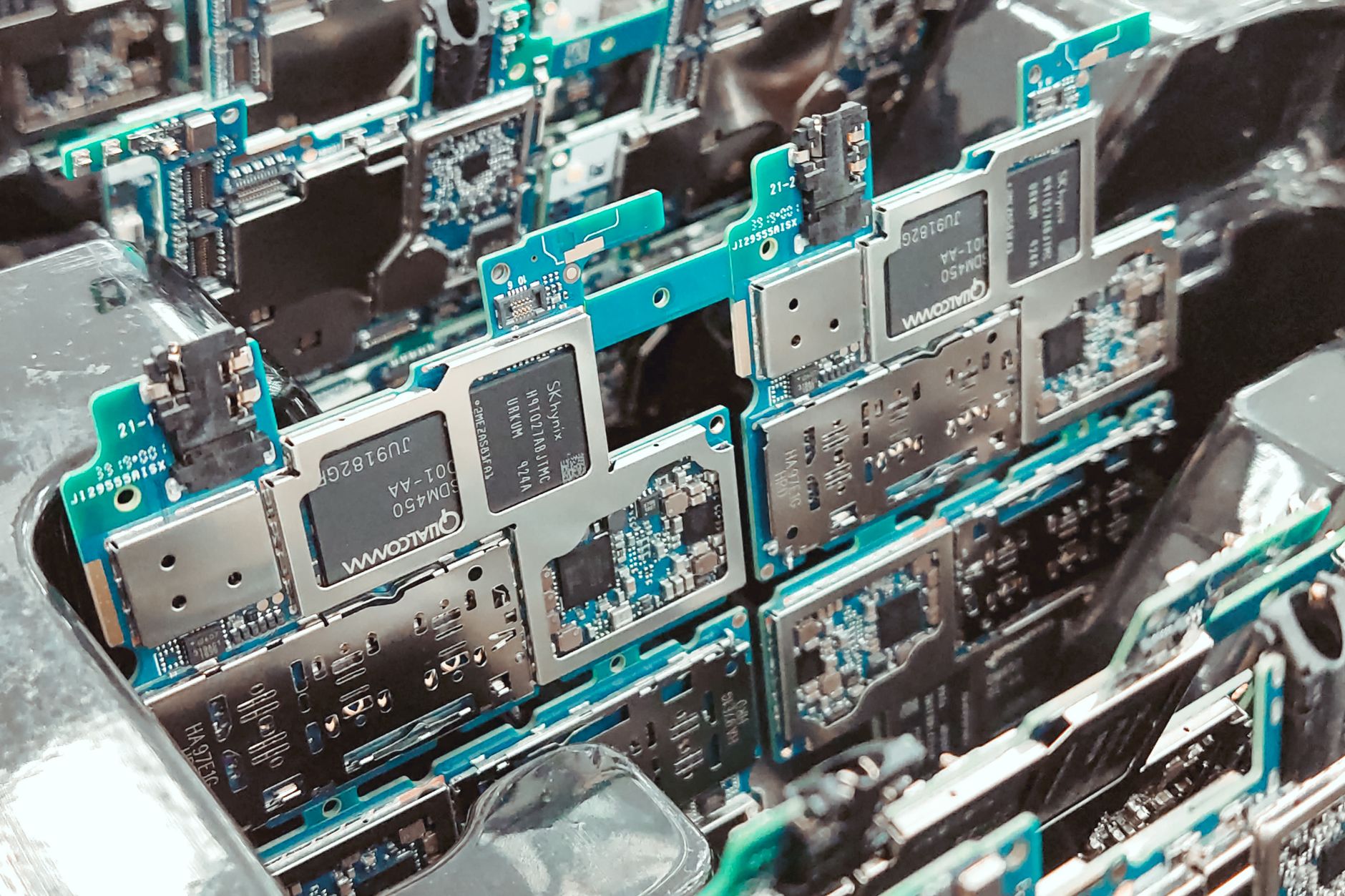
The Samsung Qualcomm deal is currently stalled due to a pricing dispute, pushing the timeline to 2027. This delay raises questions about the future of their collaboration.
Overview of the Samsung Qualcomm Deal
The Samsung Qualcomm deal, announced with great anticipation, has faced significant delays due to a pricing dispute. Originally expected to enhance semiconductor technology, the partnership aims to develop advanced 2nm chips that promise to revolutionize the industry.
This collaboration is critical as both companies seek to maintain their competitive edge in a rapidly evolving market. The delay pushes the timeline for the deal’s fruition to 2027, raising questions about its long-term viability and impact.
Several key factors are contributing to the stalling of the Samsung Qualcomm deal:
- Pricing Disputes: Negotiations have become complicated, leading to disagreements on cost structures.
- Technological Challenges: The complexities involved in developing cutting-edge 2nm technology are considerable.
- Market Dynamics: The competitive landscape is shifting, with new players emerging and established companies revising strategies.
As stakeholders await resolution, the tech world remains eager to see if the Samsung Qualcomm deal will ultimately be worth the wait.
Impact of Pricing Disputes on Tech Partnerships
The ongoing pricing disputes between Samsung and Qualcomm have significant implications for their partnership, particularly concerning the Samsung Qualcomm deal. As both companies navigate the complexities of semiconductor manufacturing, disagreements over pricing structures could hinder collaborative efforts and technological advancements.
Several factors contribute to the tension:
- Cost of Production: The increasing costs associated with advanced chip manufacturing have raised concerns on both sides, complicating negotiations.
- Market Competition: With competitors emerging in the semiconductor space, both companies are under pressure to ensure their pricing remains competitive while maintaining profit margins.
- Investment in Technology: The need for substantial investment in new technology and production capabilities has further strained their discussions, making it challenging to reach a consensus.
As the timeline for the deal extends to 2027, industry experts warn that prolonged disputes may result in missed opportunities for innovation and collaboration, ultimately affecting their market positions.
Timeline Changes for 2nm Technology
The recent developments surrounding the Samsung Qualcomm deal have raised concerns about the timeline for the production of 2nm technology. Originally slated for an earlier release, the project has now been delayed significantly due to ongoing pricing disputes between the two tech giants.
Industry experts suggest that this delay could have far-reaching implications, particularly as competition in the semiconductor market intensifies. Key milestones that were expected to be achieved in the coming years are now pushed back, raising questions about the future of high-performance chips.
As companies pivot to accommodate the changes, stakeholders are left wondering about the potential benefits of the Samsung Qualcomm deal. The following points outline the impact of the delay:
- Increased R&D Costs: Extended timelines often lead to rising research and development expenses.
- Market Positioning: Competitors may seize the opportunity to advance their own technologies.
- Consumer Impact: The delay could affect product launches and innovation cycles.
In summary, the extended timeline for 2nm technology under the Samsung Qualcomm deal is causing industry-wide recalibrations.
Future of Semiconductor Collaborations
The landscape of semiconductor collaborations is evolving, and the Samsung Qualcomm deal is at the forefront of this transformation. As companies navigate the complexities of pricing disputes and technological advancements, partnerships in the semiconductor industry are becoming increasingly vital for innovation.
Experts believe that successful collaborations can drive significant breakthroughs in chip manufacturing, especially as companies work toward the next generation of technology. The shift to 2nm technology represents a pivotal moment, with the potential to enhance performance and energy efficiency dramatically.
However, the delay in the Samsung Qualcomm deal until 2027 raises questions about the long-term implications for both companies and the industry as a whole. Stakeholders are eager to see how this partnership will adapt to competitive pressures and shifting market demands.
In the coming years, the focus will likely shift toward fostering stronger ties between semiconductor giants, potentially leading to a more collaborative environment. This evolution in partnerships could ultimately reshape the future of technology and innovation.
Market Reactions to the Delay
Market reactions to the delay of the Samsung Qualcomm deal have been mixed, reflecting both optimism and concern among investors and industry analysts. On one hand, some believe that the postponement could allow both companies to better align their strategies and pricing models, ultimately benefiting the semiconductor market in the long run.
Conversely, others argue that the extended timeline raises significant risks, especially in an industry characterized by rapid technological advancements and fierce competition. Shares for both Samsung and Qualcomm experienced volatility following the announcement, with analysts noting a potential loss of market share to competitors who may capitalize on the delay.
Furthermore, experts suggest that the uncertainty surrounding the deal could impact collaborations across the tech sector, as other firms reassess their partnerships in light of the changing landscape. As stakeholders await further developments, the implications of the Samsung Qualcomm deal will continue to shape the future of semiconductor collaborations.
Potential Alternatives for Samsung and Qualcomm
As the Samsung Qualcomm deal faces delays, both companies may consider alternative paths to maintain their competitive edge in the semiconductor industry.
For Samsung, exploring partnerships with other leading chip manufacturers could present viable options. Some potential alternatives include:
- TSMC: As a dominant player in the foundry market, TSMC offers advanced manufacturing capabilities that could complement Samsung’s technology.
- Intel: Collaborating with Intel may allow Samsung to leverage additional resources and expertise in chip design and production.
- MediaTek: A partnership with MediaTek could foster innovation in mobile chip solutions, especially in the consumer electronics sector.
On the other hand, Qualcomm might look to diversify its supply chain by engaging with other manufacturers to mitigate the risks associated with the stalled Samsung Qualcomm deal. Potential partners could include:
- Broadcom: Known for its wide range of semiconductor products, Broadcom could provide Qualcomm with strategic alternatives.
- NVIDIA: A collaboration with NVIDIA might enhance Qualcomm’s capabilities in AI and graphics processing.
Ultimately, the future of both companies may hinge on their ability to adapt in a rapidly evolving market.
Conclusion on the 2027 Timeline
As the tech industry grapples with the implications of the Samsung Qualcomm deal being pushed to 2027, it becomes essential to assess what this means for both companies and the wider market. The delay, primarily driven by pricing disputes, raises questions about the strategic direction of semiconductor collaborations going forward.
The postponement has reignited discussions around potential alternatives for both Samsung and Qualcomm, as they seek to maintain their competitive edge amid evolving technological advancements. Analysts suggest that the extended timeline could allow both firms to reassess their priorities and explore new partnerships that may lead to innovative solutions.
Moreover, market reactions indicate a cautious optimism, as stakeholders await further clarity on the potential outcomes of this deal. If both companies can navigate the complexities of this partnership, the long-term benefits may outweigh the immediate frustrations surrounding the delay. Ultimately, while the Samsung Qualcomm deal may be worth the wait, industry observers will be closely watching how the situation unfolds in the coming years.
Photo by Andrey Matveev on Pexels