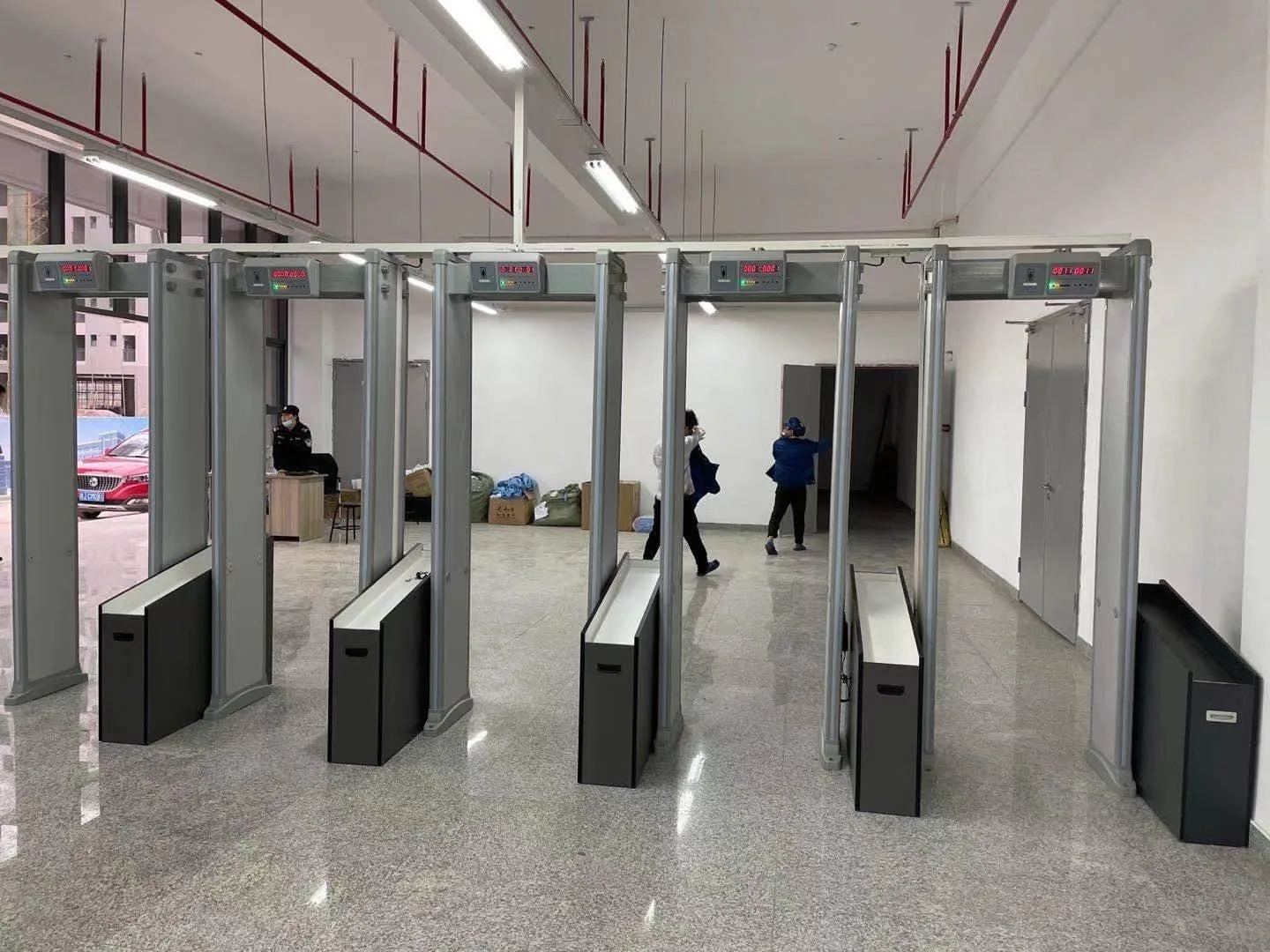
Renting walk through metal detectors for temporary use has become a popular solution for event organizers, businesses, and institutions seeking to enhance security without a significant upfront investment. While walk through metal detector rental offers flexibility and access to advanced technology, understanding the various cost factors involved is crucial to budgeting effectively. This article explores key cost considerations when renting walk through metal detectors on a temporary basis.
Rental Fees and Pricing Models
The primary cost associated with renting walk through metal detectors is the rental fee itself. Pricing models vary depending on the provider but typically include daily, weekly, or monthly rates. Short-term events such as concerts or conferences might only require a one-day rental, while ongoing projects or longer-term needs could involve weekly or monthly agreements. Understanding the pricing structure upfront helps avoid surprises and ensures the rental fits your event duration and budget.
Number of Units Required
The total rental cost depends heavily on how many metal detectors are needed. Larger venues or events with multiple entry points require more units to prevent bottlenecks and ensure smooth crowd flow. Rental companies often offer discounted rates for multiple units, so it’s beneficial to discuss quantity-based pricing with providers. Accurately estimating the number of units required helps optimize security while controlling expenses.
Delivery and Setup Charges
In addition to rental fees, consider delivery and setup costs. Transporting metal detectors to and from the venue can incur charges based on distance and equipment size. Some rental providers include delivery and setup in their packages, while others charge separately. If the venue requires special installation or electrical work, additional fees may apply. Clarifying these costs beforehand is essential for comprehensive budgeting.
Technical Support and Staffing Costs
Operating walk through metal detectors effectively often requires trained personnel. Some rental companies provide operators as part of the service, which adds to the total cost. Alternatively, you may choose to train your own staff, saving on operator fees but potentially requiring time and resources for training. Additionally, technical support or onsite troubleshooting might be offered at extra cost, especially for longer rentals or complex setups.
Insurance and Liability Considerations
Certain rental agreements may require you to carry insurance or accept liability for damages to the equipment. Insurance coverage protects against loss, theft, or damage during the rental period but can increase overall costs. Review the rental contract carefully to understand your responsibilities and potential financial risks. Some providers include insurance in their fees, while others expect renters to arrange it independently.
Security Deposit Requirements
Many rental companies require a security deposit to cover potential damages or loss. The deposit amount varies but is usually refundable if the equipment is returned in good condition. This upfront cost should be factored into your cash flow planning, especially for short-term rentals where funds may be tied up temporarily.
Customization and Additional Features
Some walk through metal detectors come with optional features such as adjustable sensitivity levels, integrated counters, or connectivity for reporting and monitoring. These extras may incur additional rental charges. Depending on your event’s security needs, investing in enhanced features can improve effectiveness but will impact the overall rental cost.
Duration and Timing of Rental
The length of the rental directly affects costs. Longer rental periods typically come with lower daily rates, offering savings for extended use. Conversely, last-minute bookings or peak-season rentals may carry premium charges. Planning ahead and reserving equipment early can help secure better rates and availability.
Venue and Power Requirements
Check if the venue can accommodate the power needs of the metal detectors without requiring extra infrastructure. Some detectors operate on batteries, while others need standard electrical outlets. If additional equipment such as generators or extension cords is necessary, include these costs in your budget.
Comparing Rental Providers
To ensure the best value, obtain quotes from multiple rental companies. Compare not just prices but also what is included in the service, such as delivery, setup, training, and support. Reading reviews and checking provider reputations can also help avoid hidden fees or subpar equipment.
Conclusion
Renting walk through metal detectors for temporary use is a cost-effective way to boost security at events or facilities. However, understanding all associated costs—including rental fees, delivery, staffing, insurance, and additional features—is vital for accurate budgeting. By carefully assessing your security needs, rental duration, and provider options, you can optimize expenses while ensuring effective security screening. Early planning and clear communication with rental companies further help manage costs and deliver a smooth, secure experience.